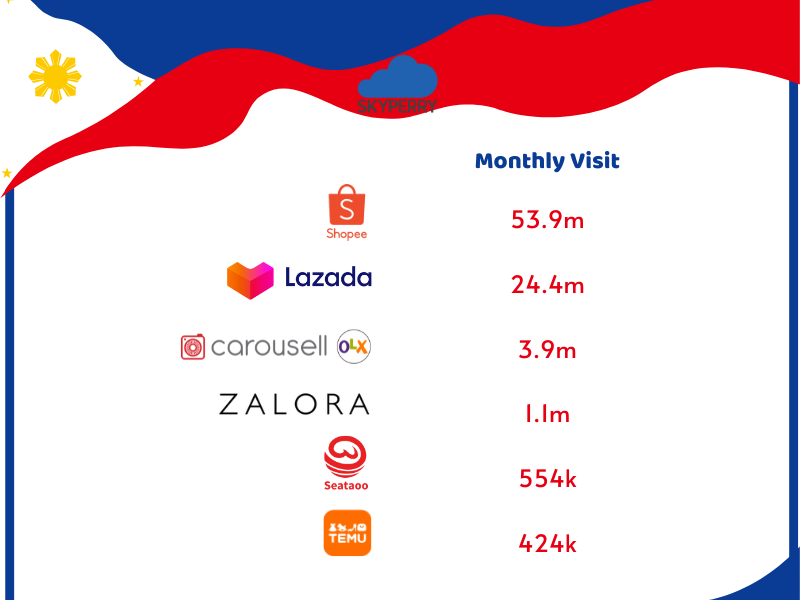
Ecommerce in the Philippines is experiencing explosive growth, with infrastructure and a strong KOL network driving social commerce.
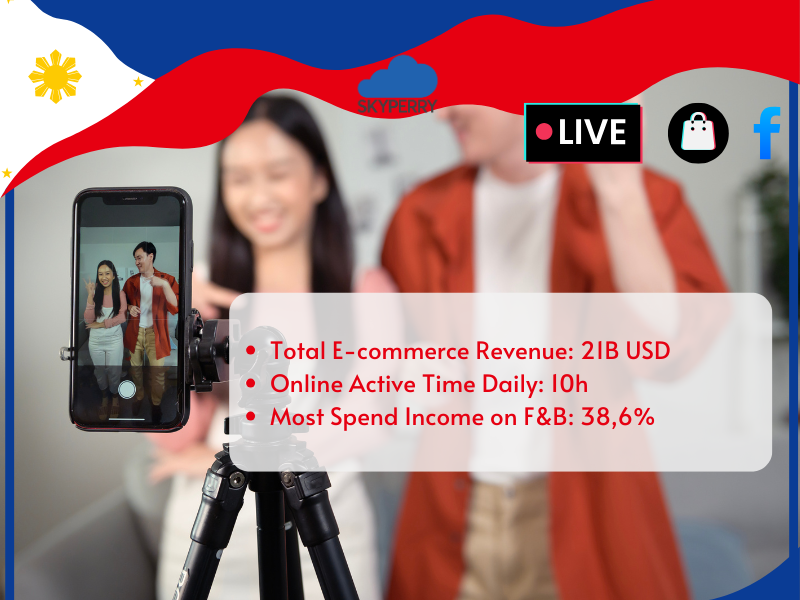
Few realize that in just 5 years, the Philippines’ ecommerce industry has grown by 400% – the second fastest rate in the world. According to a Google report, the gross merchandise value (GMV) of ecommerce in the Philippines will reach $21 billion in 2024 and is projected to soar to $60 billion by 2030.
Key factors contributing to this remarkable growth include:
- Booming Livestreaming: Platforms like TikTok Shop and Facebook Live are thriving, fueled by Filipinos spending an average of 10 hours a day on social media.
- Improved Logistics and Online Payment Infrastructure: This ensures a seamless and convenient shopping experience, with goods reaching consumers in urban areas quickly.
- Strong Consumer Culture: Driven by a young workforce (aged 15-44) who are tech-savvy and eager to spend, especially on food and beverage. Filipinos allocate a significant 38.6% of their income to food annually.
- Influencer Marketing Powerhouse: The Philippines boasts a large and affordable influencer network compared to other countries in the region. Filipino KOLs are enthusiastic about brand collaborations and are well-versed in affiliate marketing, with many generating a significant portion of their income from it.
This presents a golden opportunity for Vietnamese businesses to tap into the burgeoning Philippine market.
Firstly, the Philippines relies heavily on imports, and the government actively encourages foreign goods. Furthermore, Vietnam and the Philippines share similarities in history, religion, and an openness to Western, particularly American, culture. Filipino consumers are also increasingly aware of Vietnamese products, especially cuisine and coffee.
Read More: Potential Vietnamese food groups for the Philippine market in 2025
This growth is a chance for Vietnamese businesses, including SMEs, to access the market at a reasonable cost. The developed KOL network allows Vietnamese brands to proactively promote products on relevant channels and leverage this network to boost sales through social commerce.
Market growth does not remove the entry test
Historical estimates of Philippine e-commerce help frame the market, but a Vietnamese SME still needs category-level evidence. Validate the target buyer, competing offers, local price, delivery expectations, return behavior, and the cost of creating trust. Broad cultural similarities do not establish demand for a specific product.
Choose a route with visible responsibilities
Compare marketplace selling, a local distributor, direct-to-consumer operations, and social-commerce partnerships on the same criteria. Record who owns registration, importing, tax, inventory, customer service, refunds, content approval, and customer data. Any legal or customs decision must be confirmed by the appropriately qualified party.
Use creators to test explanation, not to replace distribution
A creator can reveal customer questions and show the product in a local context. The brand still needs an accurate product page, reliable fulfilment, disclosure, usage rights, and an attribution method. Views or affiliate clicks should not be reported as market entry success when completed orders and service quality are unknown.
Define a small Philippine pilot
- One customer segment and purchase problem.
- A limited product set and approved claim sheet.
- One primary sales route with named operating owners.
- A period and budget that can measure orders, returns, margin, and customer questions.
Expand only after the pilot explains where demand came from and whether the route can serve customers at an acceptable contribution margin.