For brands planning Vietnam growth in 2022, “middle-aged consumers” is too broad to be useful on its own. Age can describe a market, but it does not explain what someone is trying to buy, what risk they want to avoid, what proof they need, or which channel they trust for a particular decision.
A stronger segmentation starts with the buying situation. The same person may behave very differently when choosing a health-related product, replacing a household appliance, paying for a premium service, supporting family members, or spending on personal enjoyment. The useful question is not “what does this age group want?” but “what does this customer need to decide in this situation?”
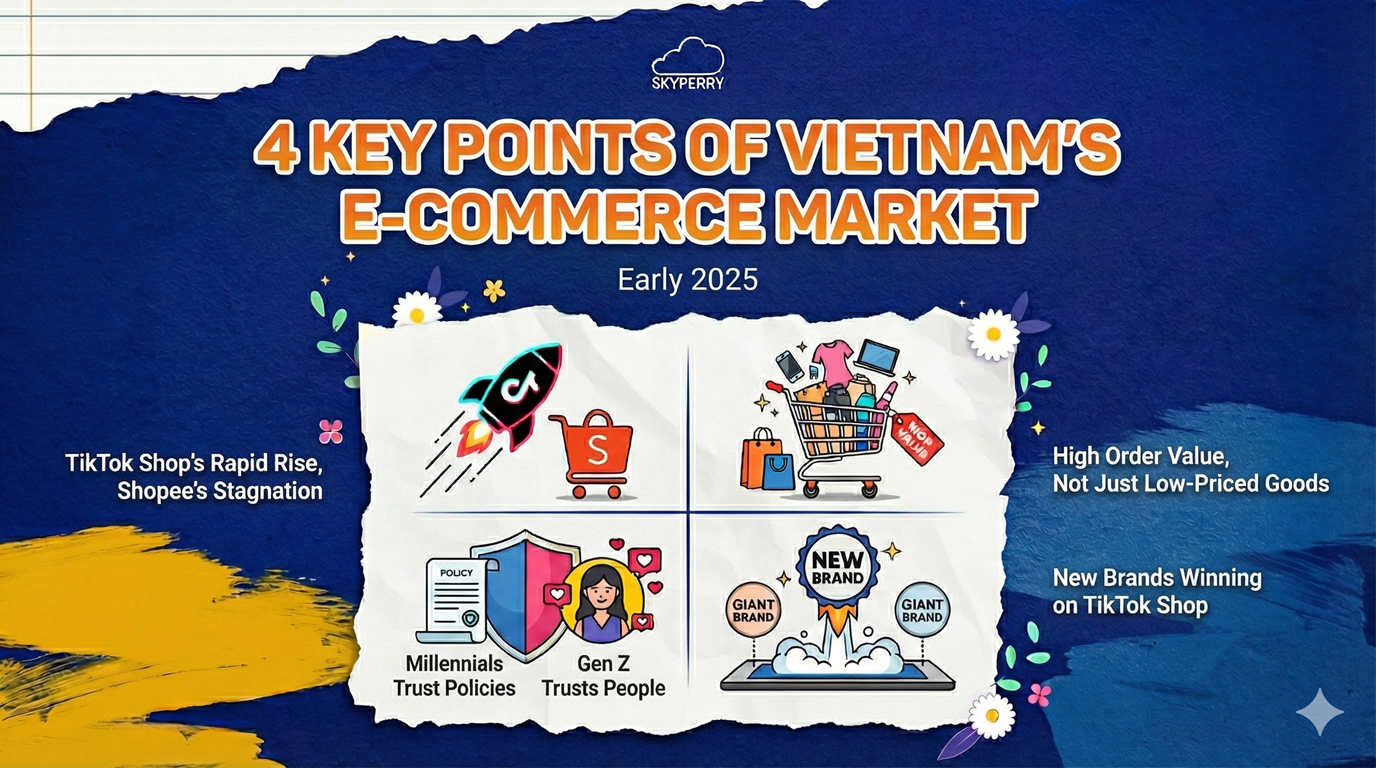
The same principle also applies to young online shoppers in Vietnam: age or generation can describe an audience, but it does not explain why a particular purchase happens.
Needs, value and how middle-aged consumers look for information
Health interest still requires product evidence
Health, prevention and quality of life may become more important for some middle-aged buyers, but the implication changes by category. Food, wellness services, cosmetics, supplements and medical devices do not share the same evidence or regulatory requirements. Marketing teams should separate general wellbeing language from medical or therapeutic claims and send technical statements to the qualified owner responsible for substantiation and compliance.
The useful question is not whether middle-aged consumers care about health. It is which specific concern the product can credibly address, what proof the buyer expects before purchase, and who is qualified to verify that proof. If the proposition depends on an outcome the product cannot substantiate, the message should not be used.
Observe digital behavior instead of assigning it by age
By 2022, many Vietnamese consumers in middle age are already comfortable with smartphones, social platforms, online banking and e-commerce, while others still prefer more guidance or reassurance. Device ownership does not tell a brand whether a customer is comfortable with every interface or transaction. Before choosing a channel, observe how the target customer searches, compares, asks for help, pays, and recovers when something goes wrong.
Readable type, strong contrast, plain labels, visible support options and a short checkout reduce unnecessary effort for many buyers. These choices should be tested with representative users rather than justified by assumptions about declining ability with age.
A premium price needs a concrete reason
A higher price can make sense when the buyer can connect it to better materials, reliability, service, convenience or a clearly described experience. Status language alone does not create that value. Product pages and sales conversations should show what is included in the price, what sits outside the offer, and how the customer can compare alternatives.
Spending power should not be inferred from age, job title or family status. Test price sensitivity, total cost of ownership, warranty conditions, delivery time and support needs in the actual purchase situation. In some categories, a clear service package may matter more than a gift or premium symbol unrelated to the buyer’s problem.
Channels and purchase experience should follow actual behavior
Choose channels by the task the customer needs to complete
Do not assume that a middle-aged buyer belongs to email, Facebook, a physical store or any single channel. Research where the selected audience discovers the category, checks credibility, asks family members or specialists, completes payment, and seeks support after purchase. The same person may use a different channel for each task.
A short social post can introduce a question, while a product page, consultation or in-store conversation may need to answer it in detail. Price, product claims, stock, delivery and service should remain consistent so the buyer is not left to resolve contradictions between touchpoints.
Represent people without turning age into the problem
Creative work should show relevant situations and capable people rather than rely on jokes about memory, technology anxiety, appearance or dependency. Language should leave room for different family structures, work patterns, health conditions and levels of digital confidence. If real customers or testimonials are used, consent, content rights and evidence for any outcome claim should be documented.
Visuals should show agency, choice and believable daily life. One face should not stand in for everyone from 40 to 60, and one gender should not automatically be treated as the decision-maker. Localization review should cover image details, type size, contrast and the meaning of visual symbols in the market, not just translated copy.
Measure why customers stop, not only whether they convert
A conversion rate shows where the journey ended, but not why. Combine behavioral data with observed use, support requests, search terms, payment errors, delivery questions and return reasons. Where possible, compare results by purchase situation and level of digital confidence so the team can see whether the issue sits in the message, interface, offer, proof, payment or service.
Before launch, agree the measurement period, attribution window and owner of each data source. Clicks, impressions and positive comments should not be reported as sales or market growth unless the commercial result and attribution method support that conclusion.
Build segments around buying situations and decisions
- Define the buying situation: prevention, replacement, convenience, family support or personal enjoyment.
- Identify the proof and reassurance needed before purchase.
- Map the channels used for discovery, comparison, payment and support.
- Test the proposition with a small customer group before expanding media or distribution.
- Write down in advance what result means continue, revise or stop.
For planning into 2023, the next useful step is to choose one category and one buying situation, then interview and observe real customers in Vietnam. That creates a more practical market-entry brief than a broad assumption about what everyone between 40 and 60 is supposed to want.